



















Red Light Therapy Device Buyer Pitfalls: How to Choose Wisely
JustinLin1. Why You Need a Buyer’s Guide
Red light and LED beauty devices are everywhere—from acne treatment, redness reduction, and pigmentation control to anti-aging. However, the market is full of devices that:
- Are too weak to penetrate skin, giving little to no results.
- Lack clear technical specs, hiding wavelength, power, or coverage details behind flashy marketing.
- Have poor fit or comfort, making daily use inconvenient or impossible.
- Overpromise quick results, leading to disappointment after a few uses.
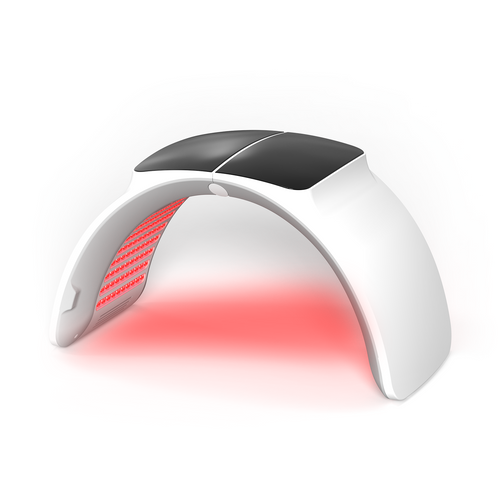
This guide will show you how to avoid the common traps, and at the end, we’ll highlight a trusted solution: the Swirise U-Shaped LED Light Therapy Device.
2. Key Pitfalls to Avoid
Pitfall 1: Low Power or Few LEDs
Low output means weak penetration and little therapeutic benefit. Avoid devices that:
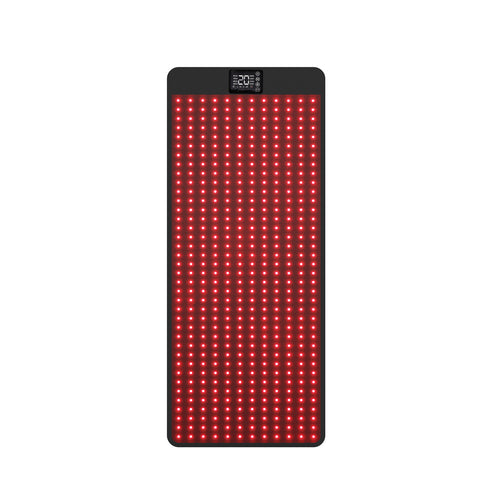
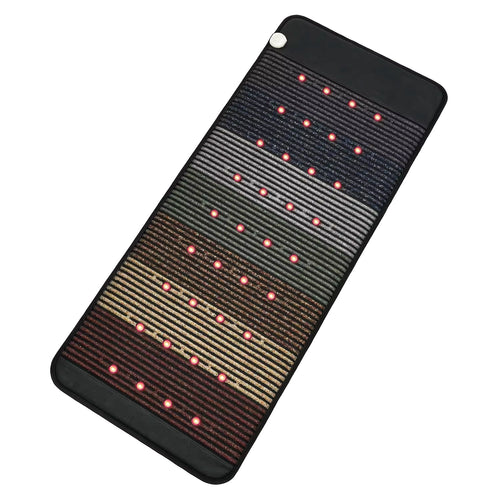
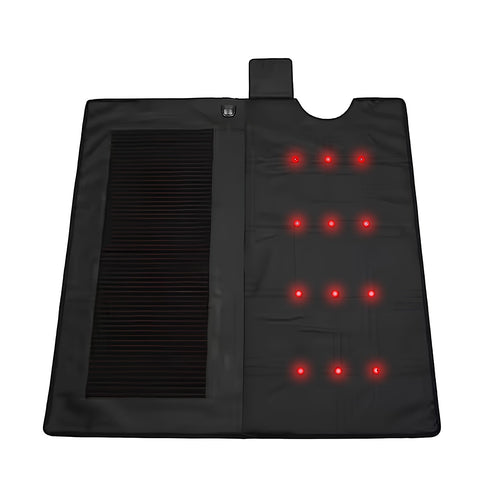
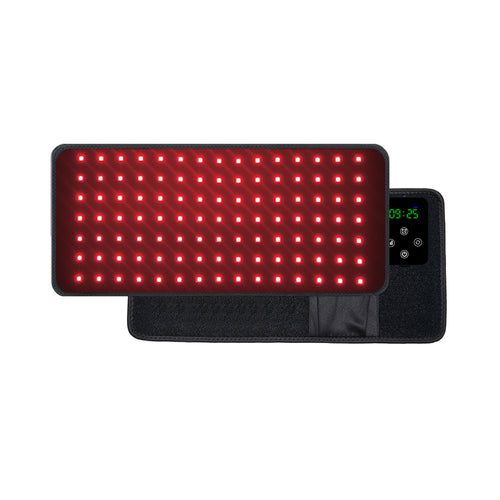
- Provide only pictures with no clear power or irradiance data.
- Emphasize aesthetics or novelty over measurable results.
Tip: Look for explicit irradiance/power metrics to ensure effective home use.
Pitfall 2: Single or Undefined Wavelengths
Different wavelengths have distinct roles:
- Blue/Purple Light: Anti-bacterial, acne control.
- Yellow/Orange Light: Redness reduction, pigmentation control.
- Red Light: Collagen stimulation, anti-aging.
- Near-Infrared: Deep tissue healing, inflammation reduction.
Avoid devices that only mention “LED” or “multi-color” without specifying wavelengths.
Pitfall 3: Poor Fit or Design
Bad ergonomics waste light energy and discourage consistent use. Avoid devices that are:
- Too heavy or rigid.
- Poorly shaped for intended areas.
- Unstable during treatment sessions.
Pitfall 4: Incomplete Safety Instructions
Proper usage guidance (frequency, duration, safety tips) is essential. Avoid devices with:
- No detailed instruction manual.
- Vague daily-use recommendations.
Pitfall 5: Price Traps and Overhyped Claims
- Too cheap may indicate low quality.
- Excessive promises (instant acne removal, overnight anti-aging) are unrealistic.
- Avoid making decisions solely based on price or flashy marketing.
3. How to Choose a Red Light Device
Follow these practical tips:
- Identify your skin concerns: acne, redness, pigmentation, wrinkles, or firmness.
- Check parameters: wavelength, power, LED count, coverage area.
- Evaluate usability: fit, weight, ease of operation, storage.
- Verify safety & warranty: proper instructions, lifespan, manufacturer support.
- Avoid chasing a single metric—balance parameters for overall effectiveness.
4. Trusted Solution: Swirise U-Shaped LED Device

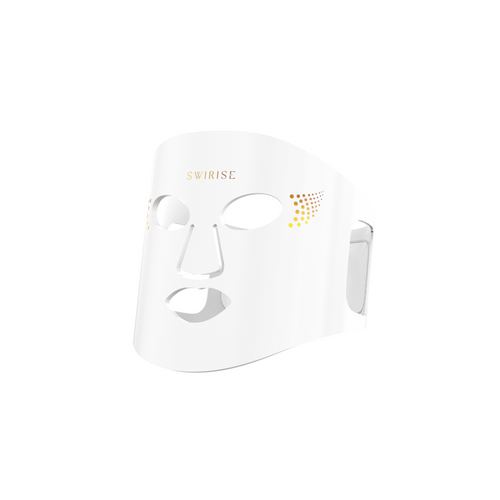
The Swirise 7-in-1 U-Shaped LED Light Therapy Device meets all the criteria above:
- Multi-wavelength coverage: Purple, Blue, Green, Yellow, Orange, Red, and Near-Infrared, addressing acne, redness, pigmentation, fine lines, and inflammation.
- Clear power specification: 100 mW/cm² irradiance ensures effective penetration.
- Large treatment area: 1,548 cm² with 200 LEDs for face and body.
- Ergonomic design: Lightweight, U-shaped fit, comfortable for daily use.
- Durable & backed: 80,000-hour lifespan, 1-year warranty.
- Safe & gentle: Non-invasive, painless, drug-free, suitable for sensitive and acne-prone skin.
Ideal for:
- Sensitive or acne-prone skin needing redness reduction and sebum control.
- Early signs of aging or pigmentation concerns.
- Users who prefer home treatments instead of multiple devices or salon visits.
5. Timeline Expectations
Here’s a realistic view based on clinical studies and user experience:
- Redness, irritation, sensitivity → 1–2 weeks: calmer skin, reduced redness.
- Active acne, oil control → 2–4 weeks: fewer breakouts, less oily skin.
- Smoother texture, lighter shallow pigmentation → 4–8 weeks: improved skin tone, texture softening.
- Fine lines, firmness, elasticity → 6–12 weeks: more collagen support, softer lines, tighter skin.
- Deep inflammation, barrier repair, scars fading → 8–12+ weeks: stabilized skin, lasting improvements.
6. Conclusion: How to Buy Wisely
- Avoid wasting money on ineffective devices: Use the guide to dodge common pitfalls.
- Prioritize parameters, wavelength variety, power, and comfort.
- Set realistic expectations: improvements accumulate over time.
- Use the Swirise U-Shaped LED Therapy Device as a benchmark: if a device meets these standards, it’s likely a solid investment.
Simple formula:Avoid pitfalls → Choose wisely → Use consistently. Red light therapy isn’t magic—but the right device used correctly delivers real results.


