


















Holistic Recovery After 30: Mental Wellness & Body Fitness Guide
JustinLinThirty is old enough to have real responsibilities and young enough to still dominate every room you walk into. Most urban professionals at this stage are already juggling demanding careers, structured routines, and full personal calendars. The next step isn’t reinvention — it’s refinement.
The real competitive edge at 30+ comes from optimizing underlying systems: energy production, recovery speed, mental clarity, and emotional resilience. The goal is not to work harder, but to operate better — with sharper output and more stable performance.
1. Physical Performance — Treat Your Body as a High-ROI Asset

1.1 Preserve strength, stabilize energy
Muscle mass is not just form, it’s function:
- Supports steadier glucose regulation
- Enhances endurance during long days
- Reduces energy dips that feel like burnout
Recommendation: 2–3 focused strength sessions weekly (20–40 mins each), prioritizing progression, not perfection.
1.2 Movement that works, not movement that shows
Short, well-placed activity beats random long sessions:
- A 5-minute mobility reset after 90 minutes seated
- A 10-minute walk after meals to support circulation
- Standing during quick calls or Slack checks
These habits cost minutes, not momentum.
1.3 Smart recovery tech, zero complexity
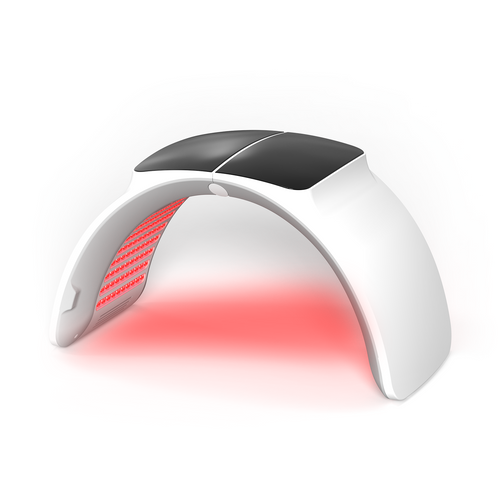
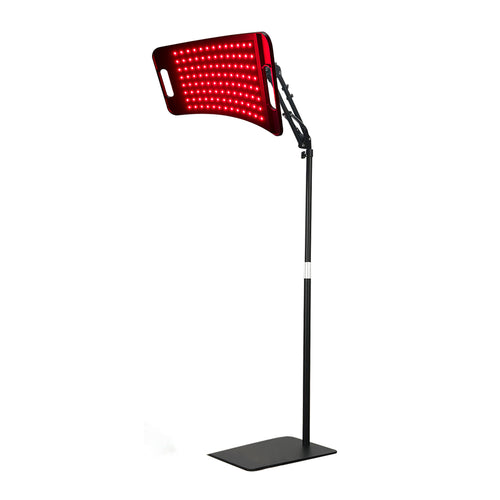
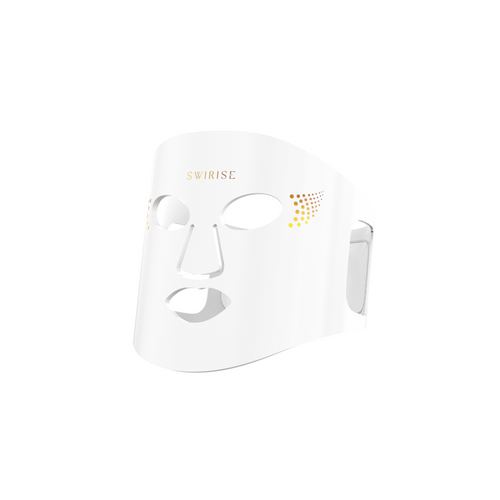
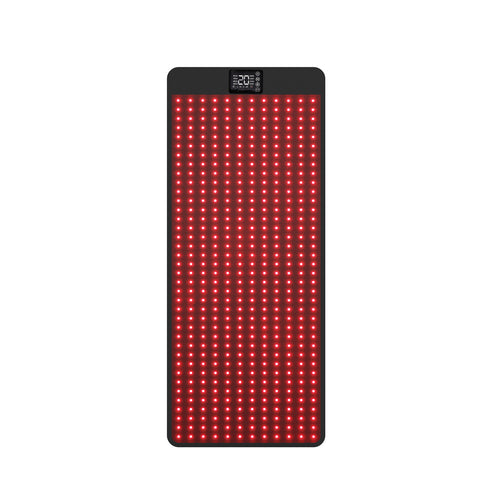
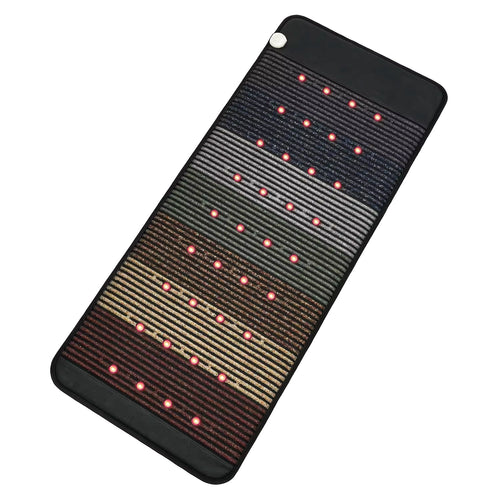
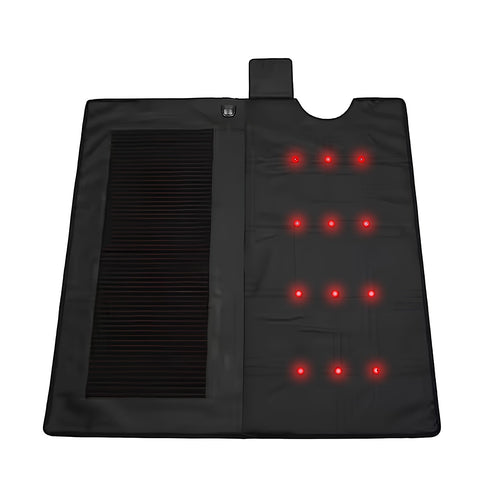
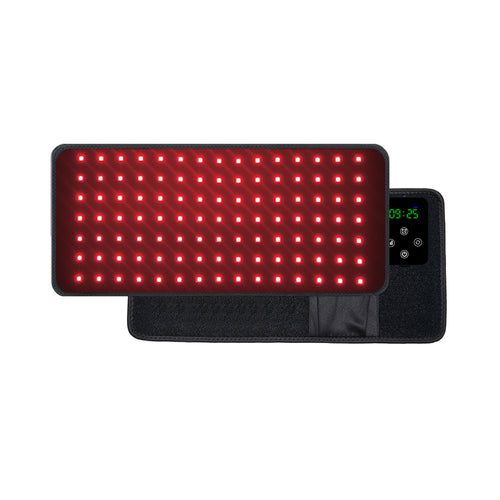
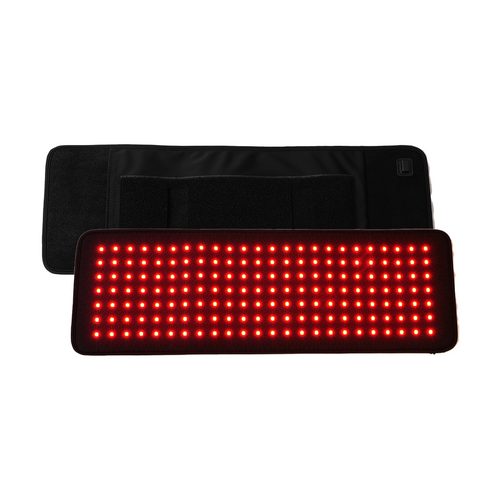
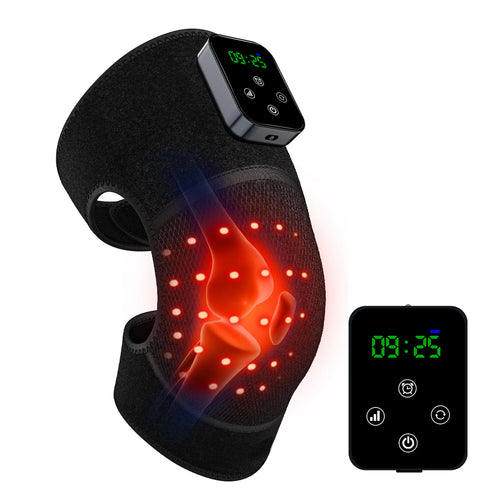
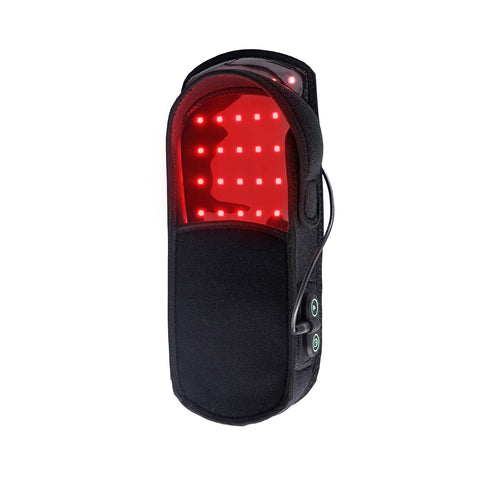
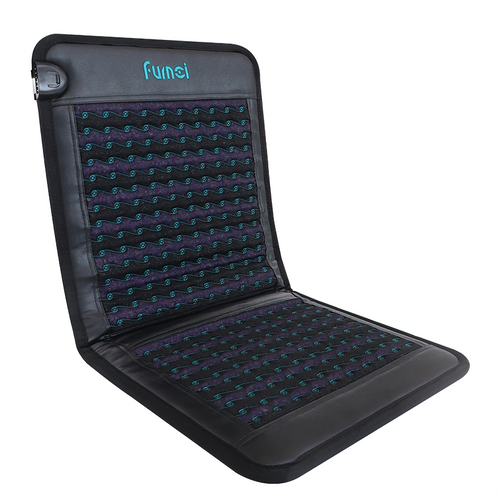
Red & Near-Infrared Light (630–660nm / 810–850nm), used under photobiomodulation research, shows benefits in:
- Improving micro-circulation
- Supporting cellular energy output
- Reducing inflammatory signals
- Helping your system unwind at night
How to use, simplified: 10–20 minutes, 2–4 times weekly, ideally in the evening before bed or after workouts.
1.4 Eat with intention, not restriction
A smarter nutrition rulebook:
- 30–40g protein per meal
- Vibrant produce for antioxidants
- Omega-3 several times a week
- Less sugar, more structure
The best diet is the one you don’t have to overthink.
2. Psychological Resilience — Mental Stability Is a Strategic Advantage
2.1 Daily mental clean-up, micro edition
No novels, no drama, just consistency:
- 3–6 minutes of breathing cycles
- 3 lines logging what you executed well today
- 2–3 brief gratitude markers
2.2 Protect attention like you protect your schedule
Common 30+ fog triggers:
- Task switching overload
- Reading the same messages too many times
- Scrolling breaks that expand unchecked
Solution:
- 90-minute deep work blocks
- Personal browsing outside prime cognitive hours
- Notifications controlled, not endless
Focus is the new luxury, and the new currency.
2.3 Tech gets to support the mental side too
PBM and NIR light have emerging links to:
- Supporting mitochondrial activity in neural tissue
- Improving local circulation
- Reducing the sensation of mental fatigue
- Helping sleep and mood feel more stable
Important framing: promising evidence, small-scale studies — best understood as light emotional load reduction via physical pathways, not a clinical fix.
3. The Winning Loop — Mind-Body Recovery Is a Single System
The overlooked truth of self-optimization:
- Physical fatigue stays high— Mental endurance drops faster
- Stress accumulates— Sleep and recovery feel less effective
- Recovery cycles are weak— Output, confidence, and clarity wobble
- Recovery systems improve— Everything feels easier without added emotion
High performers solve this by syncing systems, not emotions:
Simple synchronization plan:
- Daily micro-movement
- Daily mental reset
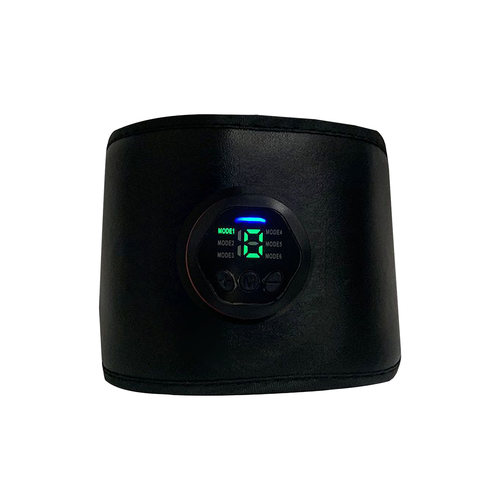
- 2–4x weekly structured recovery (PBM, bath, stretch, massage)
- 1x weekly review — adjust systems, not narratives
4. Where You Can Get Even Better Without Getting Complicated
If you’re already excelling in work, life, and family, consider these non-cliché upgrade zones:
4.1 Operational elegance
- Pre-plan meals and workouts
- Reduce low-impact decisions
- Automate routines where possible
Discipline becomes effortless competence when systems run well.
4.2 Long-term capacity insurance
- Joint mobility care
- Inflammation watch control
- Sleep tracking & adjustment
- Cellular recovery tools (PBM/NIR when practical)
These aren’t trends, they’re compounding advantages.
4.3 Personal brand energy
Not emotional, but powerful:
- Stable high energy = leadership signal
- Mental composure = credibility boost
- Consistency = influence amplifier
30+ confidence doesn’t need poetry. It needs proof of performance.
5. Conclusion
The era of dramatic self-improvement is over. The era of precision self-optimization has begun.
You’re not transforming because you’re falling behind. You’re optimizing because you know the real flex is:
Fewer wasted hours. More sustained power. Sharper mind. Stronger system. Zero over-explaining, all execution.
Your 30s aren’t your peak. Your 30s are your most scalable upgrade window.


